Cannelures on the vanity. Cannelures on the door panel. Cannelures on the mirror frame. By the third wall, the effect stops reading as craftsmanship and starts reading as wallpaper.
This article contains affiliate links. Kindled Interiors earns a commission on qualifying purchases — see our Affiliate Disclosure.
The Case for Restraint
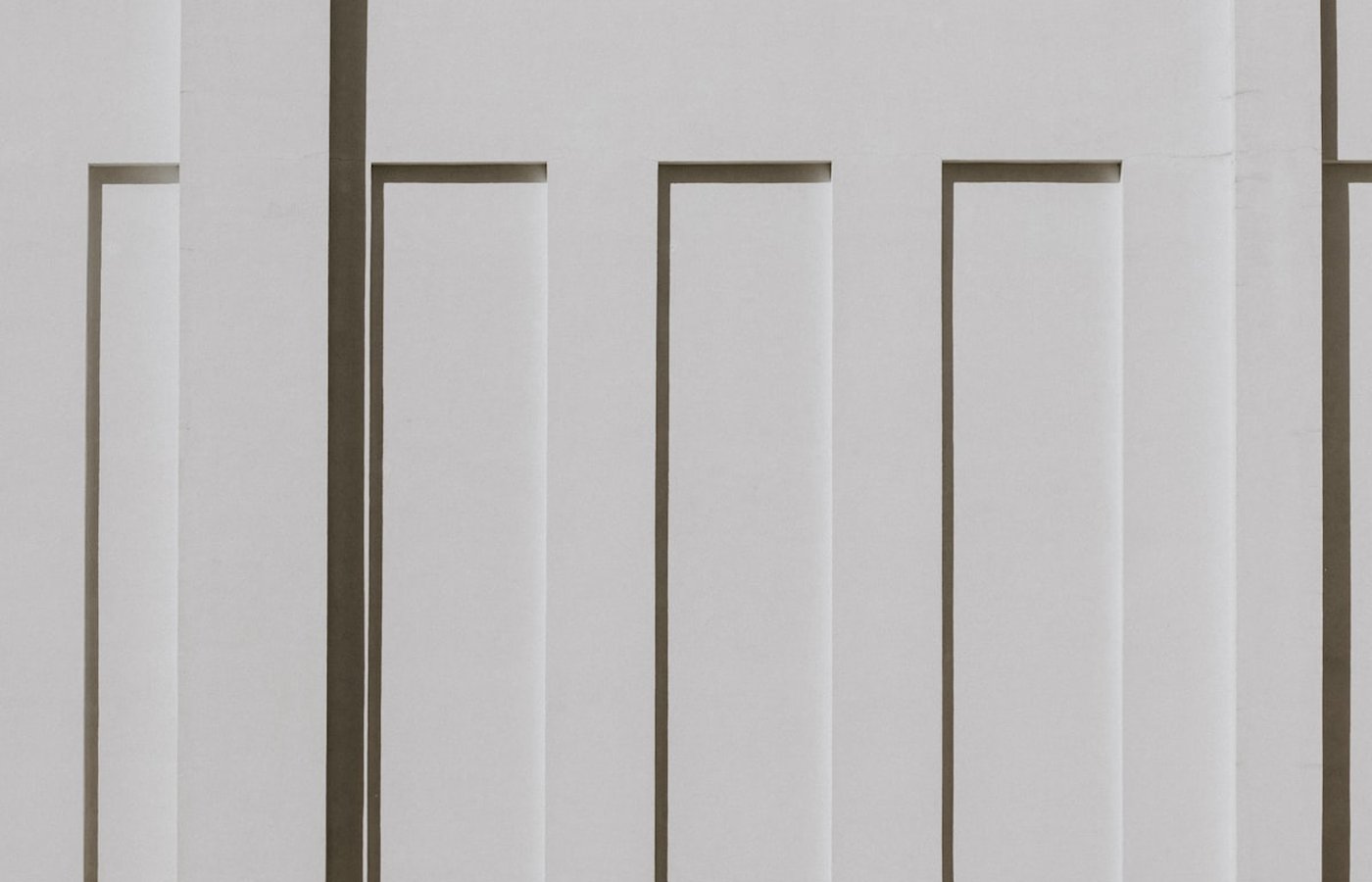
Fluting works because it catches light. Cut a series of vertical grooves into stone or wood and you have built a small machine for shadow — one that changes character all day as the light moves across it. That is the entire appeal. It is a texture that behaves like an event, not a finish.
The problem starts when a room tries to have that event more than once. Rhythm needs a break to register as rhythm. Put fluted panels on the vanity, the door, and the mirror surround, and the eye stops finding the pattern interesting — it just finds the room busy. Three competing rhythms cancel each other out faster than one plain wall ever could.
One fluted surface reads as a decision. Three read as a pattern you did not choose.
Where It Actually Belongs
In the bathrooms worth returning to, fluting shows up exactly once — almost always on the vanity, because it is the piece closest to eye level and the one a hand actually touches. The shower surround stays honed stone or plain plaster. The mirror frame narrows to a thin ring of brass, unadorned. Every other surface in the room exists to make the vanity’s grooves the only texture worth noticing.
This is also where the case for brass over chrome gets made without saying a word. Chrome stays cold and stays new; brass takes a patina and starts looking like it was always there. Next to one fluted surface, that difference carries the whole room.
Editor’s Selection
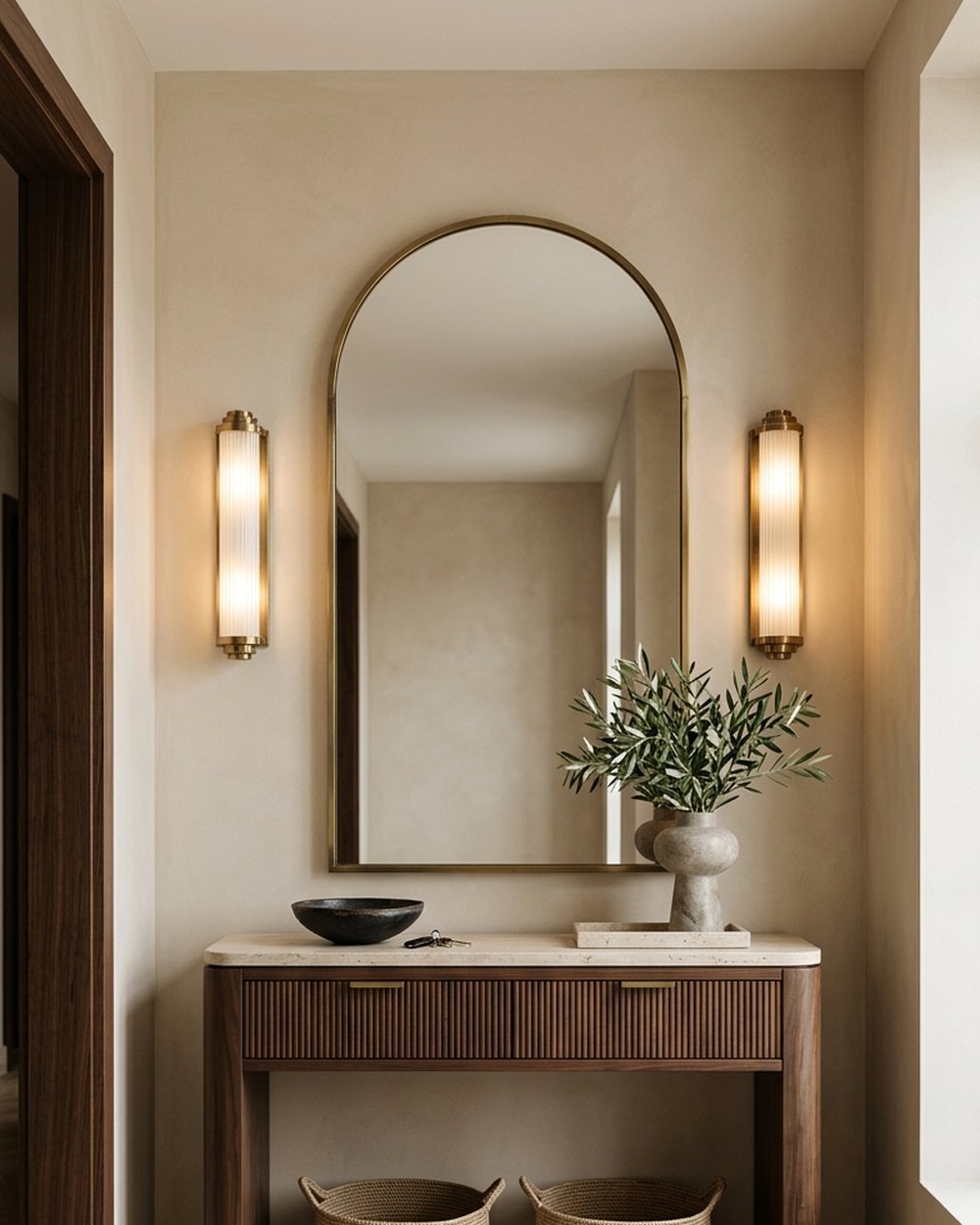
A Vanity That Makes the Case
Solid walnut, hand-cut flutes — the one piece that justifies leaving everything else plain.
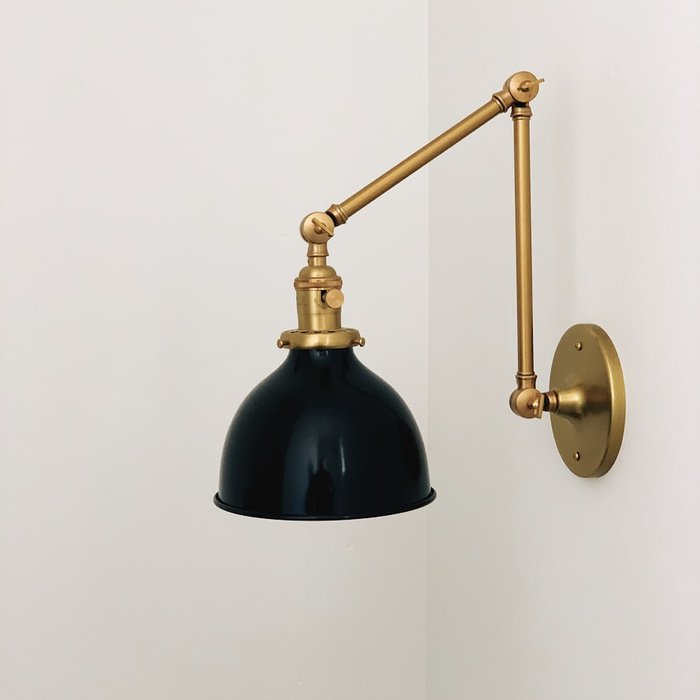
A Sconce That Earns Its Brass
Unlacquered, so it patinas instead of just aging. Looks better in year three than year one.
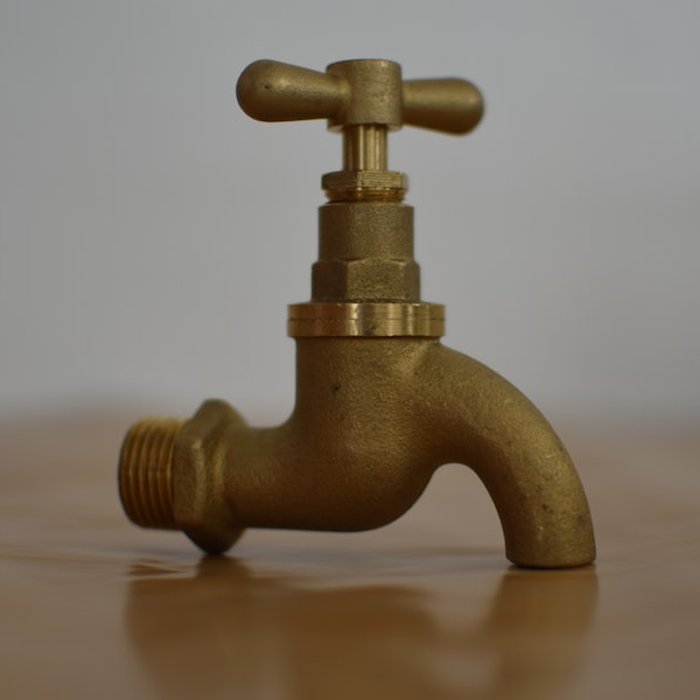
The Detail Guests Actually Touch
A single brass tap, no chrome in sight. Small piece, disproportionate impact.
The rule is not complicated, even if fluting always looks like an invitation to use more of it. Choose one surface — the one that will actually be seen up close. Then let the rest of the room hold still around it.